
Dermal Fillers
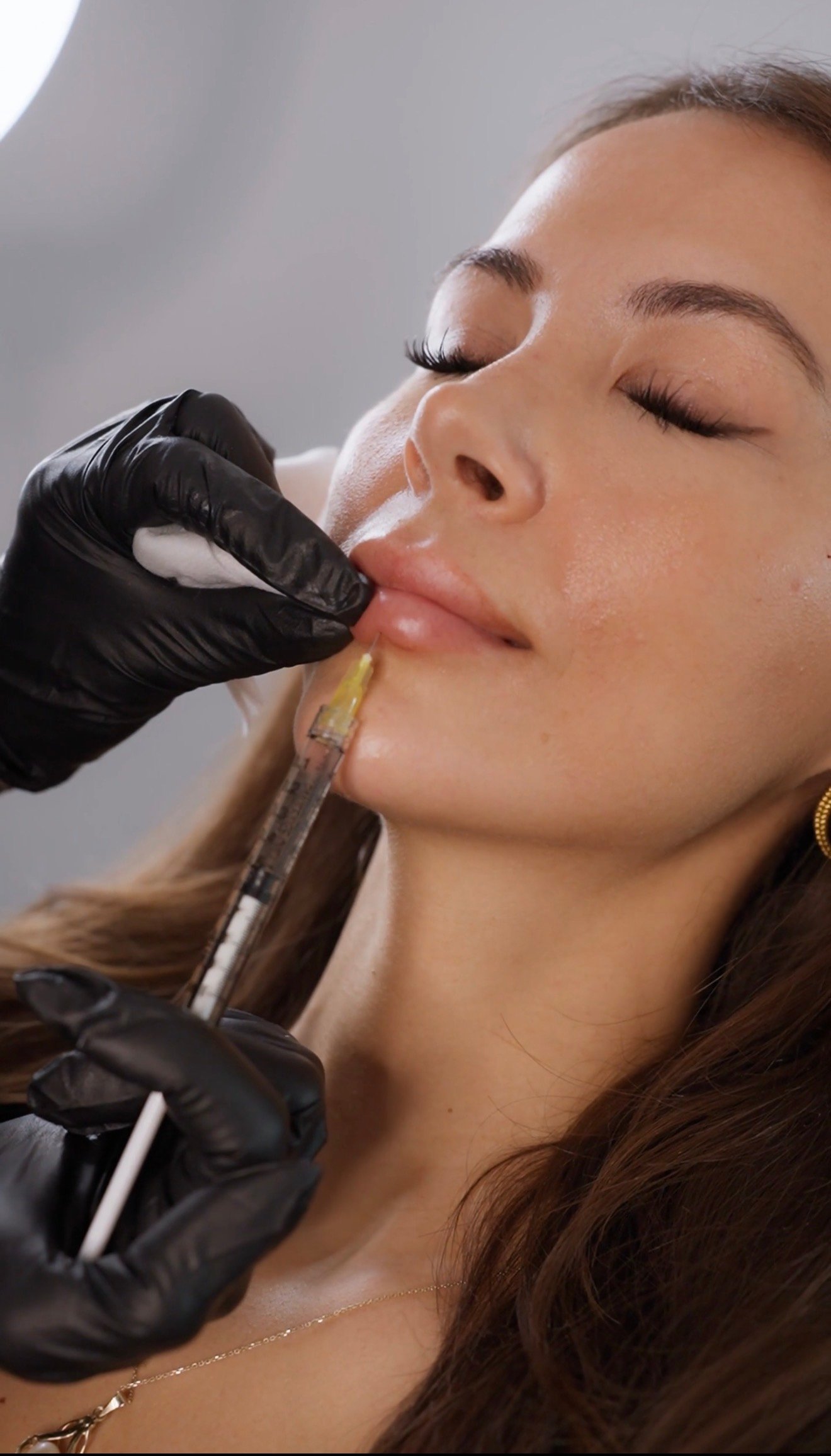
Dermal fillers are injectable gels used to add volume and support to defined areas of the face. At Aesthetic Nurse Marta in Toronto, a filler appointment begins with an assessment of your facial anatomy and a conversation about what you would like to change, so that any plan is built around your own proportions rather than a fixed template. Treatment is provided by a Registered Nurse and is planned only after that assessment.
How a Filler Appointment Works
Your visit begins with a consultation. We review your medical history and current medications, discuss any previous injectable treatments and when they were done, and look at how your features relate to one another at rest and in movement. If treatment is appropriate, we explain the plan, the type of product to be used, what the appointment involves and the aftercare, before anything is administered. You are given time to ask questions and to decide, and an appointment can end without treatment.
Areas Discussed at Consultation
- Lips and the surrounding lip border
- Cheeks and the midface
- Chin and jawline definition
- Temples and upper face hollowing
- Nasolabial folds and the surrounding area
- Under-eye and tear trough region
- Non-surgical nose refinement
- The backs of the hands
Not every area is suitable for every person, and suitability is decided during the consultation rather than in advance. Where an area is not appropriate, we say so and explain why.
Hyaluronic Acid Fillers
Most fillers used at the clinic are based on hyaluronic acid, a substance that occurs naturally in the skin. Products differ in how firm they are and in how they behave once placed, which is why the choice of product is part of the treatment plan rather than an afterthought.
What the Choice of Product Depends On
- The area being treated and how it moves
- The depth at which the product is placed
- Your tissue thickness and skin quality
- Previous treatments in the same area
- The change you have asked for
- Your medical history
The product, the amount and the placement are recorded at each appointment, so that a later visit can be planned with your full treatment history in view.
On the Day of Treatment
A filler appointment is short. The area is cleaned before treatment, and injections are made with a fine needle or a cannula depending on the area and the plan. You are asked to remain at the clinic briefly afterwards and are given written aftercare instructions before you leave.
What You Are Given Before You Leave
- Written aftercare instructions
- The name of the product used
- What to expect over the next few days
- What is not expected and should be reported
- A way to contact the clinic with a question
- A follow-up appointment where one is planned
If anything about the treated area concerns you once you are home, the clinic asks to be contacted rather than waited out.
Recovery and Aftercare
Swelling, tenderness and bruising at the injection sites are common after filler treatment and settle over the following days. How long that takes varies between people and between areas.
Usual Aftercare Advice
- Keep the treated area clean
- Avoid pressure on the area unless you are told otherwise
- Avoid strenuous exercise for the period advised
- Avoid heat treatments such as saunas for the period advised
- Sleep with the head slightly raised where advised
- Report any pain that increases rather than settles
- Report any change in skin colour in the treated area
Aftercare instructions are given in writing at the appointment and are specific to the area treated, so the advice you are given takes precedence over anything general.
When Treatment Is Not Offered
Filler treatment is not appropriate for everyone. Pregnancy and breastfeeding, an active infection or inflammation in the area, certain medical conditions and certain medications are all reasons treatment may be postponed or declined.
Discussed Before Any Treatment
- Pregnancy or breastfeeding
- Active infection or inflammation in the area
- Known allergy to the product or its components
- Bleeding disorders and blood-thinning medication
- Recent or planned dental work
- Recent vaccination
- Autoimmune conditions under active treatment
- Recent injectable treatment in the same area
These are established at consultation. Where treatment is postponed, we explain what would need to change for it to be considered.
Related articles

Ultrasound in Aesthetic Injectables: What New Consensus Recommends
A concise overview of the 2025 consensus on aesthetic ultrasound for dermal filler planning, common uses, and how to ask about ultrasound in Toronto and Vaughan.
Lip Filler and Cold Sores: How to Plan if You Get HSV1
Worried lip filler could trigger a cold sore? Learn how HSV1 history affects planning, when antiviral prophylaxis may be discussed, and what to do if symptoms start.
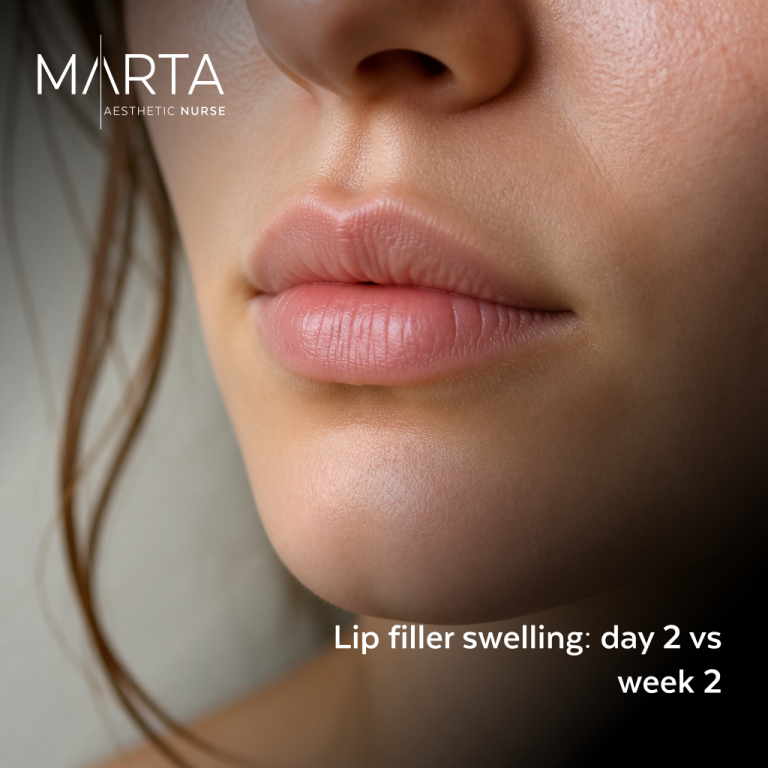
Why Lip Filler Looks Different at Two Weeks Than at Two Days
A practical day 2 vs week 2 timeline explaining why early swelling can make lips look fuller or uneven, and how aftercare supports settling.
Book a Consultation
A consultation is the starting point for any filler treatment at Aesthetic Nurse Marta. It carries no obligation to proceed, and treatment is planned only where it is appropriate for you.